
Hanging baskets for shade: 15 best plants for wow factor
Are you looking for plant inspiration for a hanging basket in a shady spot? This list of the best shade plants for hanging baskets and pots has 15 fantastic varieties to help you create a wow factor display.
If you’re also thinking about how to improve the wider garden space, Garden Buildings Direct covers plenty of practical outdoor options.

The best hanging basket plants for shade
In this article I’ve listed my favourite shade-loving plants for hanging baskets that will be happy out of the sunlight and give your containers real impact. You’ll also find some handy planting and care tips to keep your shade baskets looking good all season long.
Ready to dive into the best shade plants for hanging baskets? Whether you want flowering plants for hanging pots in shade, foliage plants, or trailing plants for shade, there’s something here to inspire your container garden.
Fuchsia
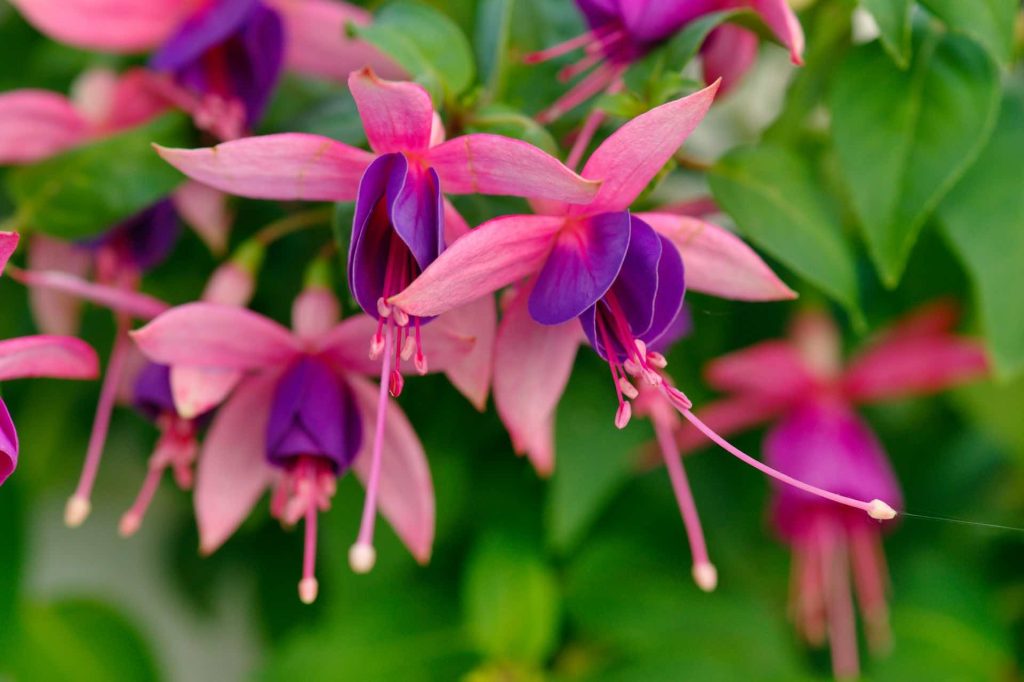
With their bell-shaped blooms and nodding habit, fuchsias are one of the most popular flowering plants. A trailing variety is great for adding movement, colour and interest to your hanging basket.
Fuchsias like moist, well-drained soil. Feeding them regularly will increase the number of flowers.

Lobelia
Lobelia is low maintenance and can be relied on to produce an abundance of delicate little flowers throughout summer. Trailing varieties are ideal shade flowers for hanging baskets and you can choose from white or shades of pink, blue and purple. Combine it with larger flowers for maximum impact.
You don’t need to deadhead lobelia flowers, but you might like to trim the plant back after it has flowered to keep things tidy and encourage more blooms.

Trailing Begonia
Trailing varieties of Begonia are ideal flowers for shade hanging baskets and will cope well with partial shade. There are lots of colours to choose from, and if you’re happy to deadhead regularly you’ll be rewarded with flowers all the way into autumn.

Bacopa
If your hanging basket is in part shade, Bacopa will definitely earn its place. This trailing annual plant is covered in dainty little flowers in shades of pink, blue, or white. Use it to soften the edges of your basket and increase the surface area of your display.

Impatiens (Busy Lizzie)
Busy Lizzies are a popular container plant, and while they won’t thank you for full shade they can tolerate partial shade. They flower from spring right into autumn, and need regular watering to keep them happy. Impatiens walleriana varieties are more compact and shade-tolerant, making them ideal hanging shade plants.

Pansy & Viola
Pansies and Violas are among the hardiest flowering plants for pots, and will happily deal with cool shade. Upright varieties will add height to your display, or you could go for a trailing variety to add extra impact. The flowers are edible too.

Diascia
Also known as Twinspur, Diascia prefers partial shade and produces flowers in shades of peach, pink or white on trailing stems. A great choice for a cottage garden style hanging basket.

Vinca
Another ground cover that can cope with shade, Vinca (or trailing periwinkle) will cascade over the side of a hanging basket and produce lots of white, pink or purple flowers.

Alchemilla mollis (Lady’s Mantle)
Alchemilla is usually described as a ground cover plant, but it can be very useful in low maintenance hanging baskets for shade too. It has bright green leaves and lime green flowers which will shine out in partial shade.
Coleus
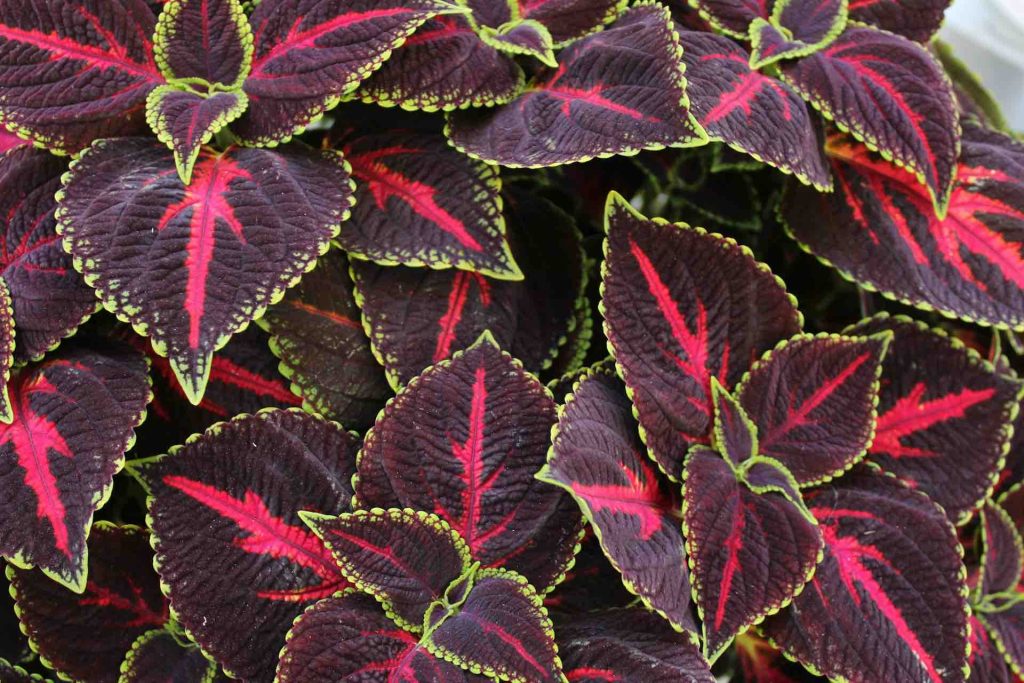
If it’s foliage you want, Coleus are fantastic plants for hanging baskets in shade. There are lots of colours to choose from and the patterned leaves can look amazing in low light.

Creeping Jenny (Lysimachia)
This trailing evergreen plant has zingy lime green leaves and small yellow flowers. Use it to showcase a brightly coloured flower display.

Ivy
Don’t overlook good old English Ivy for your shade hanging basket. It’s cheap, evergreen, and really tough, plus it provides an important food source for garden wildlife.
Variegated varieties of ivy will add interest to your basket, while all-green ivy provides a more subtle backdrop for your showier plants.

Ferns
Ferns love cool, damp conditions, so a shady hanging basket is ideal. Choose a variety that has a trailing habit for a hanging planter; Boston fern, lady fern and maidenhair fern are all good options.

Hosta
King of the foliage plants, hostas are happy in shade and can look really stunning in a hanging basket. Go for a smaller variety such as ‘Blue Mouse Ears’, ‘Cameo’ or ‘Firefly’ for a compact display.
The added bonus of growing hostas in hanging planters is you make it harder for the slugs and snails to get to them!

Heuchera
Also known as Coral Bells, Heucheras are a fabulous foliage plant for shady hanging baskets. Available in a range of striking colours, their lovely foliage will add colour and texture to a container display.

Hakonechloa (Japanese Forest Grass)
Not all ornamental grasses need lots of space. Hakonechloa has lovely trailing foliage that works well in hanging baskets. Hakonechloa macro ‘Aureola’ is a good option for cool shade.

Planting tips for shade hanging baskets
So you’ve chosen your plants, and now it’s time to create those show-stopping baskets! Here are some planting tips to help you get it right first time.
Choosing your hanging basket
The style of hanging basket you go for is obviously a personal choice, and there are so many options on the market. However, do make sure you think about the following areas when browsing products:
- There must be drainage holes, or the ability to make your own.
- The hook needs to be strong – remember that basket will be heavy when it’s full of plants, compost and water.
- You may need to buy a liner for your basket (some come with a liner, some don’t).
- How many plants do you want to put in your basket? Work this out before choosing a size – and remember you will need to leave a bit of space for your plants to grow.
The importance of drainage
Drainage is crucial when it comes to plants grown in pots and hanging baskets. Those drainage holes I already mentioned are needed to stop your plants sitting in a puddle of water which can be very bad for their roots.
Having said that, hanging baskets can also dry out very easily, especially in summer. Try not to let the soil dry out completely in between waterings, and consider using water retaining crystals to keep moisture levels steady. Take a look at our guide to potted plant drainage for more tips and advice.

The best compost for hanging baskets
Any plant that’s grown in a container (as opposed to in the ground) has limited access to nutrients. For this reason, it’s important to use good quality peat-free compost in your hanging baskets. Some products also have added slow-release fertiliser and / or water retaining crystals which will cut down on the amount of time needed to look after your plants.
Our guide to the best compost for pots has lots of advice to help you choose the right option.
The best tools for planting hanging baskets
You don’t need any fancy tools to plant up a hanging basket, but a couple of basics will definitely make the job easier.
A hand trowel is an essential in my opinion. It makes it quick and easy to fill your basket with compost and top up soil around your plants.
I always recommend using gardening gloves to protect your hands. They need to fit well (don’t get carried away with looks, the feel is more important here) and allow your hands to move properly.
Secateurs or snips are also really useful further down the line when you need to maintain your plants.
Finally, you definitely need a watering can. Smaller ones are less heavy to lift up to your basket, so bear this in mind.

How to plant a beautiful hanging basket
Here’s how to take the strain out of planting up a hanging basket:
- If your basket doesn’t have a flat base, place it on top of an empty plant pot to keep it still.
- Add your liner if your basket doesn’t already have one. You may need to trim it to fit neatly. If the liner is plastic, use a knife or scissors to make some drainage holes in it.
- If you’re using water retaining granules or slow-release fertiliser, add it to your compost before filling the basket to almost full.
- Carefully remove each plant from its pot and arrange it in the basket. Check out our clever planting formula below.
- Add a bit more compost to fill in any gaps around your plants.
- Water your basket thoroughly and leave it to drain before hanging it up.
Hanging basket top tip: Thriller, Filler, Spiller
The “Thriller, Filler, Spiller” approach to planting containers is a brilliant way to create a balanced, show-stopping display every time. Here’s how you do it:
1. Choose a Thriller plant. This is the centre of attention in your hanging basket, so it needs to be bigger or taller than the other plants. Put it in the centre of the basket.
2. Next, add some Filler plants. The aim of these is to create an interesting backdrop to the basket with colour and texture.
3. Finally, add in some Spiller plants. These are the trailing plants that spill over the edges of your hanging basket, so they need to be positioned near the edges. As well as balancing out your display, spillers increase the surface area of plants and can make your basket look seriously impressive.
Stick to this formula for your containers and you can’t go wrong!
Care tips for shade hanging baskets
Having spent time and effort creating your gorgeous hanging basket, you will naturally want it to look good for as long as possible. Here’s how to give your hanging planter the best chance of thriving for a whole season.

Watering tips for hanging baskets
- Check your basket regularly. If the surface of the soil feels dry, it’s time to water.
- Water little and often, instead of drowning your basket every now and then. This will minimise water run-off and create a more consistent environment for your plants.
- For shade hanging baskets, avoid watering in the evening as this can encourage plant issues like mould and mildew.

Feeding plants in hanging baskets
If you want your hanging basket plants to keep looking good, you need to feed them on a regular basis.
A general-purpose plant food is usually fine, and there are a few different formats to choose from. Concentrated liquid feed must be diluted in water before use, granules need to be mixed into the compost, and ready-to-pour feed is simply poured straight into the basket.

Deadhead for more flowers
Many varieties of container plants will benefit from regular deadheading. This is a quick and easy way to encourage more flowers.
To deadhead your plants, simply pinch or snip off any dead flowers or seed pods. Try to get into the habit of doing this on a regular basis for maximum results.
I hope this guide to the best hanging plants for shade has given you lots of inspiration and helps you to create stunning shade baskets!
More container gardening resources


Pin for later: Hanging baskets for shade: 15 best plants for wow factor
