
Garden makeovers with design tools: how to use digital plans
Collaborative post
Revamping your garden can be an exciting and rewarding experience, but it often comes with its fair share of challenges. From choosing the right plants and materials to visualising how everything will come together, the process can quickly become overwhelming.
Fortunately, digital landscape design tools have made it easier than ever to plan and execute a successful garden transformation. With these tools, even novice gardeners can create beautiful, functional outdoor spaces with confidence.
The value of digital planning
Before you dive into the practical work, it’s essential to have a clear vision of your garden makeover. Landscape design software provides a structured way to plan your garden layout, experiment with different styles, and foresee potential problems. These platforms offer a wide range of features, from drag-and-drop functionality and 3D visualisations to plant databases and seasonal planning tools. With these resources at your fingertips, you can make informed decisions without relying solely on guesswork.
One of the primary benefits of using digital tools is the ability to try multiple design ideas quickly. You can test various configurations, experiment with colour schemes, and assess how sunlight will affect your chosen layout. This flexibility allows you to see what works best before committing time and money to physical changes.

Step 1: Evaluate your space
The first step in any garden makeover is understanding what you’re working with. Digital design platforms allow you to create a virtual version of your existing garden by inputting measurements and key features such as fences, patios, trees, and buildings. This digital blueprint becomes the foundation for your planning.
Some tools even offer satellite view integration or augmented reality capabilities, helping you map your garden accurately. These features are particularly useful for identifying trouble spots like poor drainage areas or sections with too much shade.
Step 2: Set goals and priorities
Before you start working on the design itself, consider what you want to achieve. Are you aiming for a low-maintenance garden, a vibrant flower bed, a vegetable patch, or a play area for children? Setting clear objectives will help guide your decisions throughout the process.
Many landscape design tools come equipped with templates or inspiration galleries that align with specific goals, such as wildlife-friendly gardens, drought-tolerant landscapes, or contemporary aesthetics. These resources can offer a starting point and spark new ideas to help you firm up your vision.
Step 3: Start designing
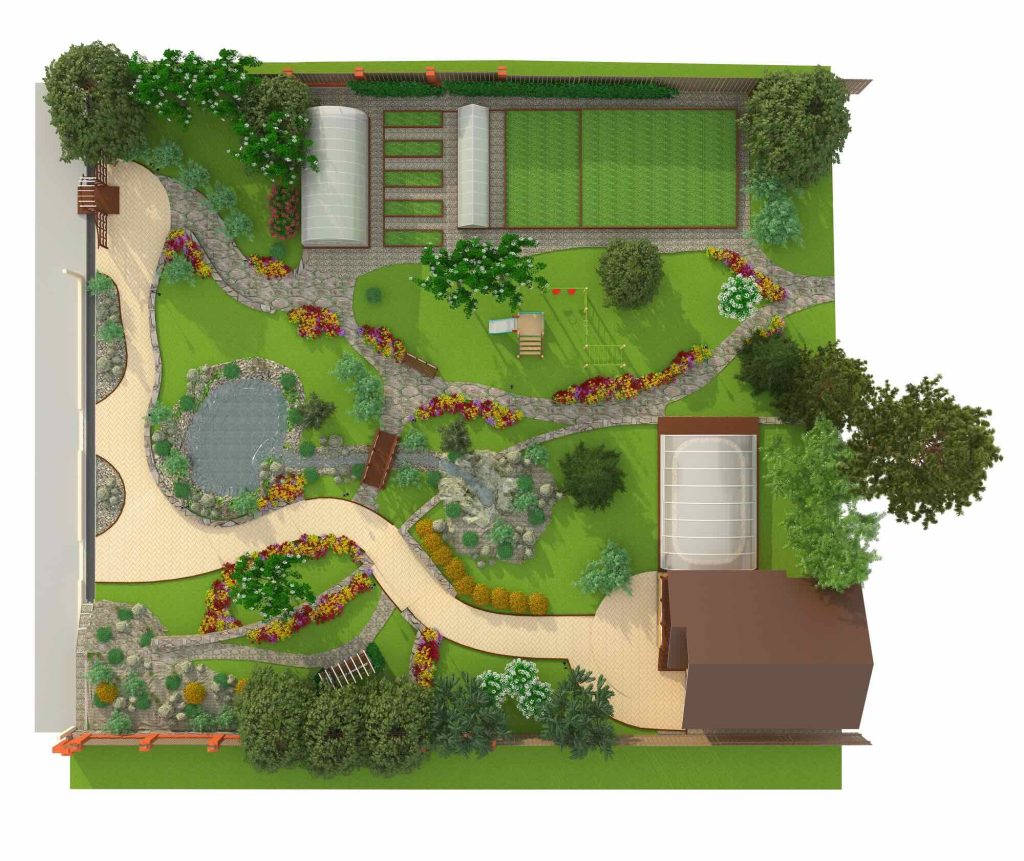
Once your space is mapped and your goals are defined, you can begin the fun part: designing. Using the drag-and-drop feature, you can position elements such as flower beds, shrubs, trees, and garden furniture within your digital garden. This visual interface makes it easier to achieve balance and harmony in your layout.
Advanced platforms also let you view your garden in 3D or simulate different seasons, so you can plan for year-round interest. Some tools allow you to adjust the growth stage of plants, showing how your garden will mature over time. This foresight ensures your garden design remains functional and attractive in the long term.
Step 4: Optimise for practicality
While the look of your garden design is important, you need to make sure you also think about functionality. Digital garden design tools help you account for practical concerns such as irrigation, sunlight exposure, and accessibility. You can experiment with path placement, assess how easy it is to move through the garden, and ensure plants are grouped by their care needs.
Additionally, many platforms provide climate-specific recommendations, guiding you toward plants that will thrive in your region. This targeted advice reduces maintenance requirements and increases the likelihood of a successful garden makeover.

Step 5: Plan your budget
Garden transformations can be costly, but digital tools can help you stay within budget. By inputting prices for materials and plants, you can generate cost estimates and adjust your plan accordingly. Some software even partners with retailers or nurseries, offering live price data and availability.
Having a clear cost breakdown helps avoid financial surprises and enables more strategic decision-making. Whether you’re working with a tight budget or splurging on a dream project, this step ensures garden makeovers stay on track.
Step 6: Collaborate and share
If you’re working with a landscape designer, contractor, or even just sharing ideas with family, digital tools make collaboration easy. Most platforms allow you to export plans, share links, or invite others to view and edit your project. This interactive element keeps everyone on the same page and makes it easier to integrate feedback.
Some platforms also offer community forums or design showcases, where users can share their projects, get inspiration, and exchange tips. This sense of community can be motivating and informative, especially for first-time gardeners.

Step 7: Bring your vision to life
Once your digital plan is finalised, it’s time to execute it in the real world. With a detailed blueprint and material list in hand, you’ll find it easier to coordinate tasks, order supplies, and communicate your vision to professionals. The clarity offered by digital planning often results in smoother execution and a more satisfying end result.
Landscape design software can even be accessed on mobile devices, allowing you to reference your design while you’re outside working on the garden. This on-the-go accessibility can help keep your project aligned with your original vision.
Transforming your garden doesn’t have to be an overwhelming process. With the help of digital landscape design tools, you can plan, visualise, and execute garden makeovers with confidence. These tools bridge the gap between inspiration and execution, helping you turn big ideas into stunning outdoor realities. Whether you’re redesigning a small backyard or creating an expansive outdoor retreat, leveraging technology ensures that every square metre is optimised for beauty, function, and enjoyment.
Have you used a design tool to make garden makeovers easier?
