
Choosing table lamps that balance style and practicality at home
Collaborative post
A table lamp can do more than fill a dark corner. It can make a room feel warmer, help with evening routines, and add personality without changing the whole space. When people shop for designer table lamps, they’re often trying to find that balance between something beautiful and something useful.
This balance matters in real homes. A lamp may need to support reading, soften a living room at night, or add a gentle glow to a bedroom. At the same time, it should feel like part of the room rather than an afterthought. The best table lamps do both jobs well, improving the way the room works and the way it feels.
For family homes, that balance becomes even more important. Lighting needs to be practical, but it also shapes comfort. A well-chosen lamp can help a busy room feel calmer and more cohesive at the end of the day.
In this article we’ll take a look at how to choose table lamps that balance style and practicality in your home.
Start with the purpose of the lamp
Before choosing a style, it helps to ask what the lamp needs to do. Some lamps are there to support tasks like reading, writing, or homework. Others are meant to create a softer glow that helps a room feel relaxed in the evening.
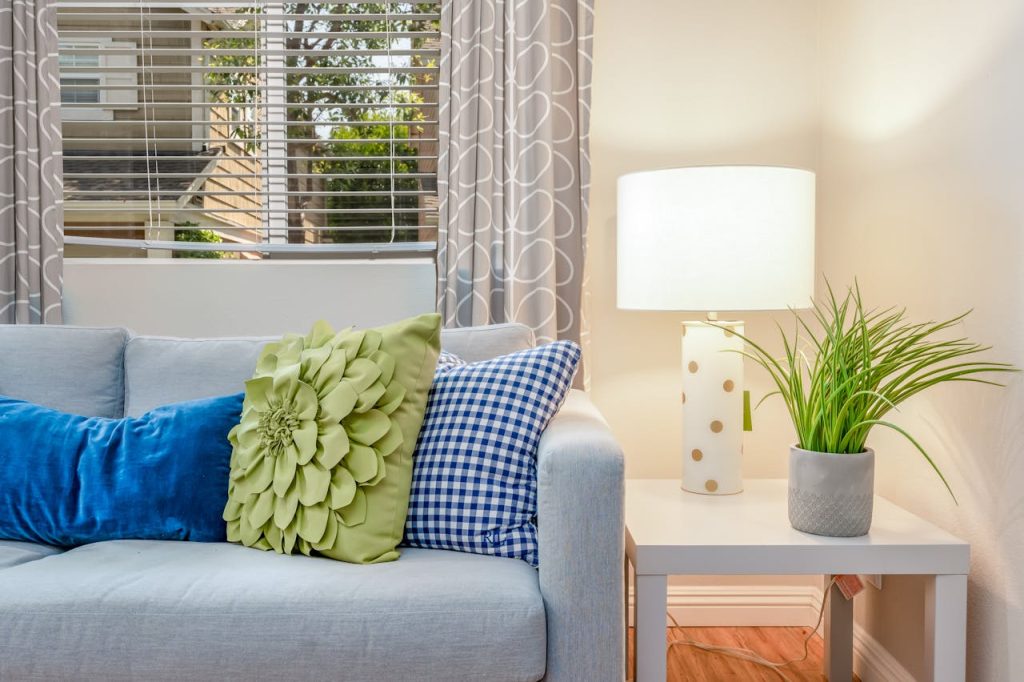
A lamp used beside a sofa may need enough light for reading. A bedside lamp probably needs to feel softer and easier on the eyes. A lamp in a hallway or family room might simply need to add warmth and make the space feel welcoming.
When the purpose is clear, it becomes much easier to choose the right height, shade, and light level. The result usually feels more natural because the lamp fits the room instead of fighting against it.
Think about where the lamp will sit
Placement has a big effect on how useful a table lamp will be. A lamp on a side table needs to work with the seating around it. A lamp on a console can be more decorative, but it still needs to feel balanced with the wall, mirror, or artwork behind it.
The size of the table matters too. A lamp that’s too large can make the surface feel crowded, while one that’s too small can look lost and fail to provide enough light. This is why proportion matters as much as style.
It also helps to think about everyday movement in the room. In a family space, the lamp shouldn’t feel awkward or unstable in a busy area. Good placement keeps the lamp useful and helps the room feel calm and easy to live in.
Choose a shape that suits the room
The shape of a lamp plays a strong role in the overall look of a space. A rounded base can soften a room with lots of straight lines, while a taller, slimmer lamp can work well in a more tailored or compact setting. A bold sculptural shape can bring interest to a simple room without needing many other decorative pieces.
In homes that already have a lot going on, a simple shape may work best. In a quieter space, a lamp with more character can become part of the room’s visual focus.
This is where style begins to work together with practicality. A beautiful lamp should still feel right for its surroundings. It should relate to the furniture nearby and support the room’s mood.

Pay attention to the shade
The shade impacts both the look of the lamp and the quality of the light. A wider shade can spread light more broadly, while a narrower one will direct it more tightly. A lighter fabric creates a softer glow, while a darker or denser shade can make the lighting feel more focused.
This matters because the shade affects comfort. If the light feels too harsh, the lamp may not get used as often. If it’s too dim, it may not serve its purpose.
The shade should also suit the base. Together, they create the full effect of the lamp. A good pairing helps the piece feel complete and balanced rather than mismatched.
Make practical choices for everyday living
In a family home, practical details matter. A lamp should feel stable on the table. The switch should be easy to reach. The cord shouldn’t create clutter or become a hazard in a busy area.
Material matters too. Some finishes are better for homes where surfaces get used often. A lamp in a family room may need to handle more day-to-day activity than one in a formal sitting room. This doesn’t mean practical choices have to feel plain – it just means the lamp should suit the function of the room.
Use lamps to create a softer mood
Overhead lighting can be useful, but it doesn’t always create the most comfortable atmosphere. Table lamps help solve that problem by bringing light down to a more human level. They can make a room feel softer, calmer, and more inviting.
This is especially helpful in the evening. A living room with table lamps often feels more relaxed than one lit only from above. A bedroom becomes easier to unwind in when the lighting is gentle. Even a hallway or corner can feel more welcoming with the right glow.
For many homes, this mood is part of the practical value of table lamps. A lamp isn’t only there to help people see; it also helps shape the feel of a room.

Let style support the whole space
A table lamp should feel connected to the wider room. It can echo the finish of nearby furniture, add texture, or bring contrast where the room needs a little more depth.
That doesn’t mean everything has to match. In fact, a lamp often works best when it adds something slightly different while still fitting the room’s tone. A warm metallic base, a ceramic texture, or an elegant silhouette can all help a space feel more layered.
A good lamp should feel easy to live with
The best table lamps don’t offer a choice between beauty and usefulness – they offer both. They light the room well, suit daily routines, and add something to the look of the space at the same time.
This is why choosing the right table lamps that balance style and practicality matters more than you might think. It’s a small decision that can have a real effect on your home’s comfort, mood, and everyday use.
